
Self-assessment

Fourteen questionsabout your building.

It assesses a place, not a person. Answer what you can, skip what you cannot, and the score is worked out in your browser rather than sent anywhere.

I Before you start

Answer for the building,not for anyone in it.

Fourteen questions about your building, your queue and your team. Nothing here asks about any individual, and nothing here is a screening or diagnostic tool.

This describes a venue on the day it was answered. It is not a rating, an inspection or a certification, and no part of it is a clinical assessment of a person.

Everything at once
The whole assessment is on this page. You can see how long it is before you start, and go back without losing an answer.
Nothing is required
Skip anything you cannot answer honestly. Skipped questions are left out of the score, and the result says how many you left.
It stays with you
The score is worked out in your browser. Nothing you enter is sent to iMED NeuroHealthcare Florida, and nothing is saved when you close the page.
II The questions

A self-assessment of a place

Six groups, in the order a visit happens: the room they walk into, finding their way, waiting, needing somewhere to go, the people they meet, and whether any of it survives the manager who set it up.

14 questions in 6 groups, all on this page. 0 of 14 answered. Nothing is required, nothing is timed, and picking an option never moves you on.

Sensory environment

The light, sound, surfaces and air a person meets before anyone has spoken to them.

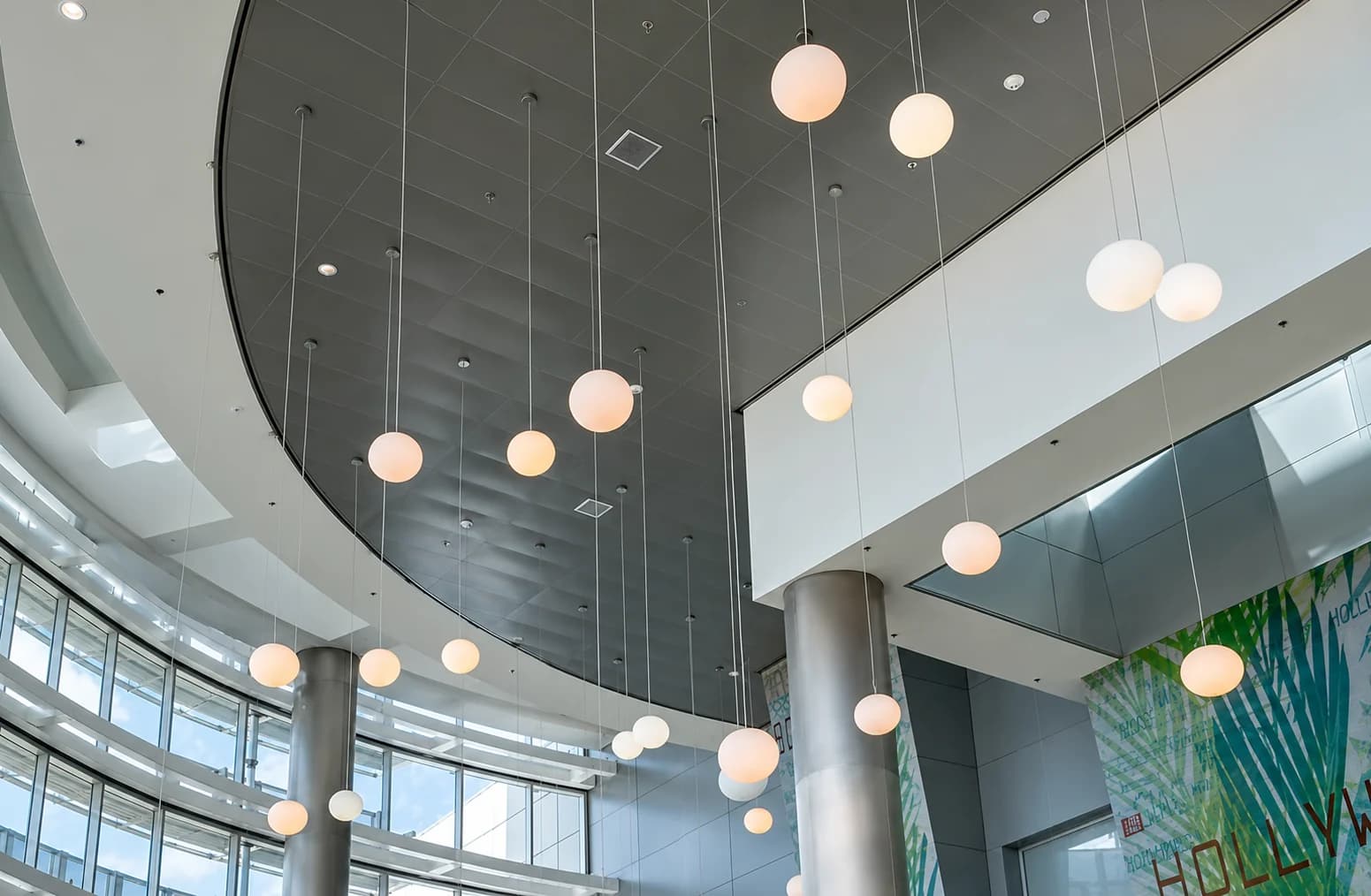
Sensory load is set by the building, and most buildings were specified without anyone asking what they sound like at four in the afternoon. It is also the layer that can be changed without changing the business.

1.Think about the brightest part of your public area on an ordinary weekday. What is the lighting like there?
2.During your busiest hour, what happens to sound in the public area?
3.Beyond light and sound — surfaces, scent, air and screens. Where do those stand?

Wayfinding and predictability

How much a person can know about what happens next, from before they arrive to the moment they reach what they came for.

Not knowing what comes next is its own load, on top of the room. A visit that can be rehearsed at home is a visit more people can decide to make.

4.A first-time visitor comes through the door and needs to reach the thing they came for. What do they have to work with?
5.How much can a visitor find out about what a visit involves before they leave home?

Queuing and waiting

What the venue asks of someone in the minutes before it serves them.

The security line at minute nine is a design decision, not bad luck. A visit abandoned in the line does not appear in any report.

6.When there is a line, what is available to a person who cannot stand in it?
7.What does the waiting area itself ask of someone?

Somewhere to recover

Whether there is a place to bring sensory load down, and whether anyone can find it or run it.

When it becomes too much, the options are a room, a restroom, a parking lot, or leaving. A room is the structure most directly designed to change who is able to stay.

8.Is there a room a person can go to when it becomes too much?
9.Suppose someone needs that space today. What happens next?
10.How would a visitor know that space is there?

Staff readiness

What the people who meet the public know before the moment they need to know it.

A room nobody on shift knows how to open is not reachable. Preparation is what turns good intentions into the same response on a Sunday night as on a Tuesday morning.

11.What preparation have the people who meet the public had for welcoming neurodivergent visitors?
12.When someone is visibly in sensory overload, what does a staff member do?

Policy and follow-through

Whether any of this is written down, owned by a named person, and reviewed after something goes wrong.

Almost every venue has had one person who made it work. This dimension asks what remains the week after that person leaves.

13.Who owns this work at your venue?
14.After an incident, or after a visit that plainly went badly, what happens?

0 of 14 answered. Anything left blank is excluded from the score rather than counted against the venue, and the result says how many you left.

After the assessment

A description isnot a plan.

If the result named something you already suspected, that is the useful part. Tell us where it scored lowest, and we will say what a first step looks like.