
Experience
Where the methodcomes from, andwhat it covers.
Method is easy to write down and hard to acquire. This page describes where ours came from, what it covers, and where the boundary sits between coordination work and the clinical care that belongs to licensed professionals.
5domains the method came from
What crossedto Florida.
iMED NeuroHealthcare Florida is part of the iMED network, which operates in Brazil. There, the network's teams structured and ran multidisciplinary services for autistic and neurodivergent people: the first contact, the sensory conditions of the room, the coordination between disciplines, the handovers. That work was done in Brazil. What crossed to Florida is the method.
iMED works from Miami. Nothing on this page is a credential, and none of it is a record of work performed in the United States. It is an account of where the method was formed and what it taught.
Rooms teach you thingsa drawing cannot.
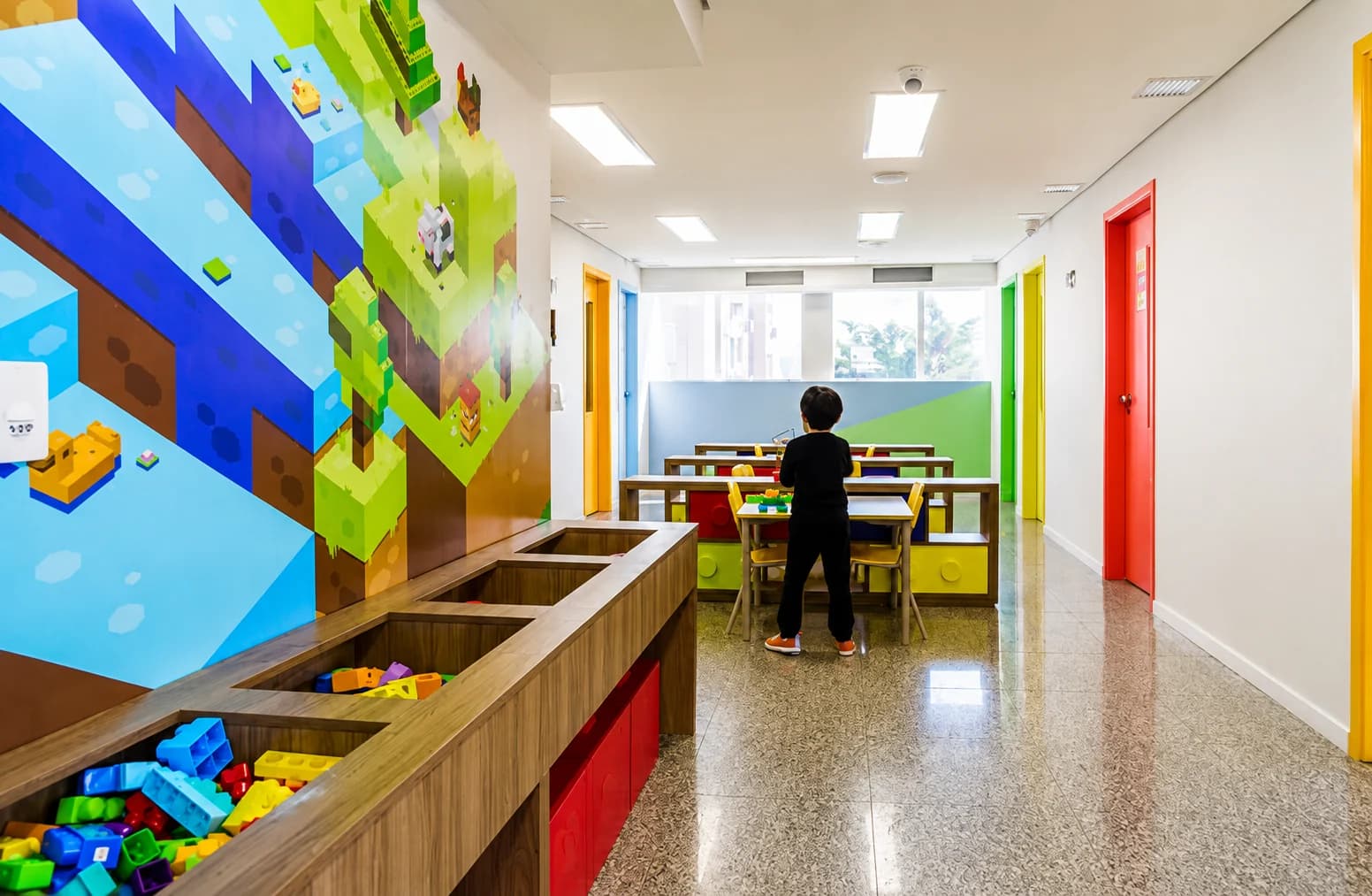
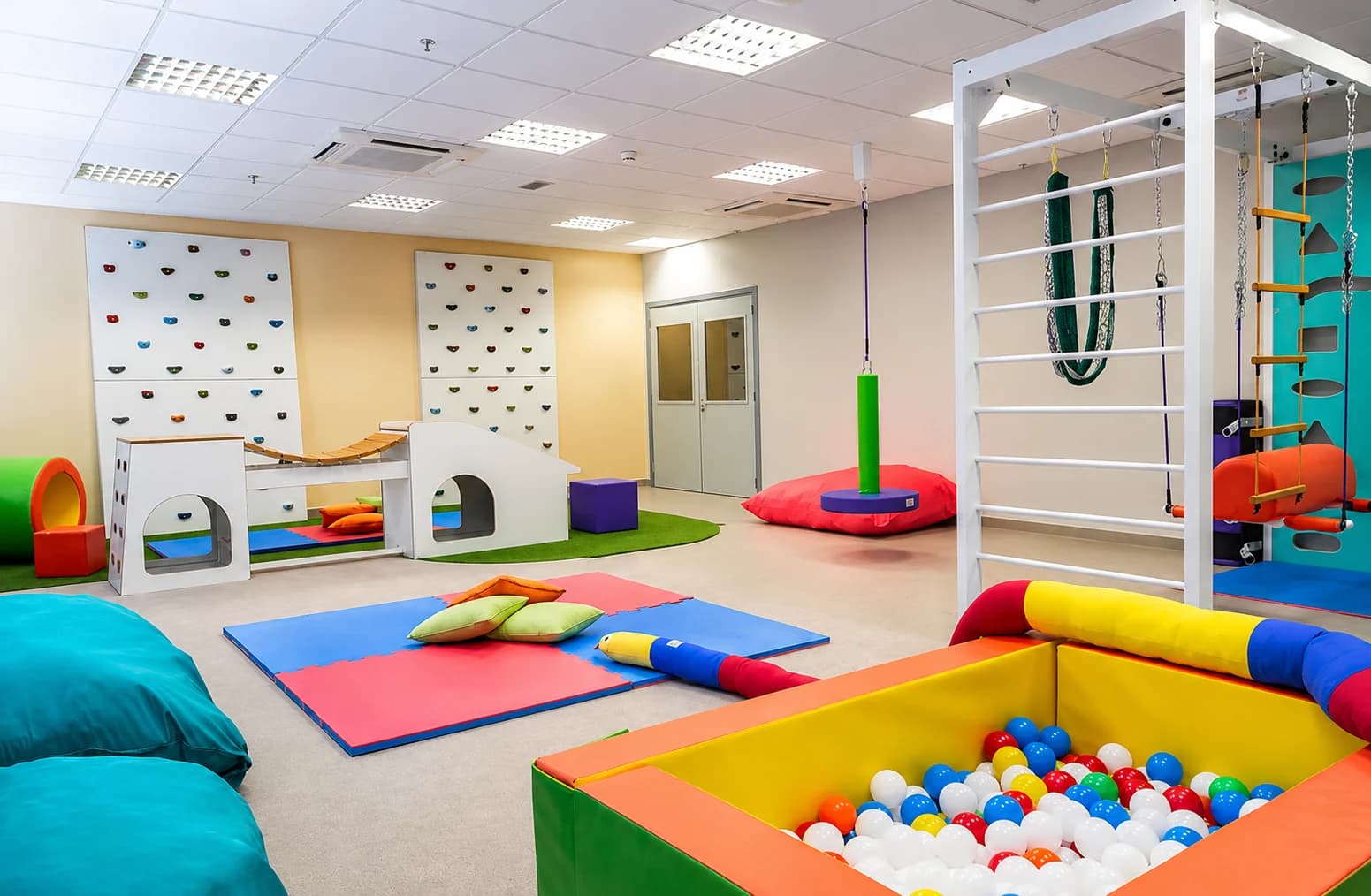
Running a room, rather than specifying one, is where the method came from. Which surfaces carry sound. How a door placement decides whether a space calms someone or traps them. What a team on shift can actually follow on a busy afternoon. None of it is visible from a floor plan.
A multidisciplinary therapy room built and run by the iMED network in Brazil.
What the methodwas built on.
Described by scope rather than by client. Names, places and figures are shared directly, with permission, rather than published on a website.
Neurodevelopmental Services
Multidisciplinary services for autistic and neurodivergent people, structured and run by the network's teams in Brazil. That work shaped the method.
Neurosensory Environments
What brings sensory load down in a room: light, sound, materials, the route in, and how much a person can control once inside.
Care Coordination
Several disciplines working from one plan of care, with a named coordinator and a shared record instead of a stack of separate appointments.
Frontline Training
Preparing the people who meet the public to spot sensory overload, de-escalate, and work to a protocol anyone on shift can use.
Service Operations
The scheduling, records, staffing and handovers that keep a program running the same way on a Tuesday afternoon as on a Monday morning.
The shape ofthe work.
Each summary describes what the work involved. The country is on the card; the organization is not named here, and will not be until it says otherwise.
- Method 01Brazil
One Plan, One Coordinated Team
In Brazil, the network's teams organized multidisciplinary services around a single plan of care: a named coordinator, one shared record, and an agreed way of deciding what happened next. That work shaped the method.
- Care coordination
- Multidisciplinary teams
- Shared records
- Method 02Brazil
The Room Before the Appointment
In Brazil, lighting, acoustics, waiting areas and the route from the door were treated as conditions that decided whether an appointment could happen at all, rather than as decor. That is where the method came from.
- Sensory conditions
- Waiting and flow
- First contact
- Method 03Brazil
The Team on Shift
In Brazil, the network's teams wrote down how first contact, transitions and handovers were meant to go, then trained against it, so a service did not depend on who happened to be working. That work shaped the method.
- Staff preparation
- Protocols
- Handovers
No indicators or results are published on this page. Where work produced measurable outcomes, the figures are shared directly, with the measurement period and the source attached, and only with the client's permission.
Ask about the workclosest to yours.
Tell us the setting you are working in: an airport, a government building, a hotel, a health plan. We will walk you through the work closest to it.