

Ready forevery mind.
iMED NeuroHealthcare Florida is a neuroinclusion platform based in Miami. We design, build and run Neurosensory Welcome Rooms, coordinate neurodivergent care from screening through follow-up, and train the teams who meet the public.
- Autism
- ADHD
- Dyslexia
- Dyscalculia
- Dyspraxia
- Tic disorders
Neurodivergent peopleare already here.Be ready for them.
According to the CDC, about 1 in 36 children is identified with autism spectrum disorder. iMED prepares the place, organizes the care and trains the people — so neurodivergent people can take part in public life.
Neurosensory Spaces
Neurosensory Welcome Rooms designed, built and run where sensory load is highest, so there is somewhere to go when it becomes too much.
Global Neurodivergent Care
iMED does not sell therapy sessions. It manages the journey, from screening and assessment through to outcomes monitoring, on one care line.
Neuroinclusive Training & Certification
The people who meet the public, trained to recognize sensory overload, communicate clearly and de-escalate, working from a protocol a shift can follow.
Three parts, one platform
Neurosensory Spaces prepare the environment. Global Neurodivergent Care organizes the care. Neuroinclusive Training & Certification prepares the people. A platform, not a clinic.
What iMED builds,runs and teaches.
Neurosensory Spaces
Neurosensory Welcome Rooms designed, installed and run in airports, government buildings, hotels, shopping centers and event venues.
Global Neurodivergent Care
One coordinated journey: screening and assessment, diagnosis, an individualized care plan, therapy coordination, support and outcomes monitoring.
Neuroinclusive Training & Certification
Training for teams who meet the public, and iMED Neuroinclusive Certified — iMED's own training and recognition program.
For Government and Companies
A building or a venue that works for everyone who walks in: the room, the trained staff, the written protocol.
For Health Plans & Partners
An organized model of care coordination and management, with progress followed over time rather than reconstructed at renewal.
For Families
Screening, diagnosis, the care plan, the therapies and the follow-up, coordinated so you are not the one holding it together.
From first conversationto daily operation.
Nothing here stops at a recommendation. iMED plans the work, puts it in place, trains the people on shift, and stays responsible for the operation day to day.
- 01
Design and build
We design and build the Neurosensory Welcome Room around the site it has to sit in.
- 02
Sensory resources
Choosing what belongs inside the room, and what does not, for the people who will use it.
- 03
Protocols of use
A written protocol, so anyone on shift knows how the room works and who it is for.
- 04
Staff training
Your team prepared before an incident rather than reviewed after one.
- 05
Ongoing management
The room does not run itself. Day-to-day operation stays in scope, and stays with us.
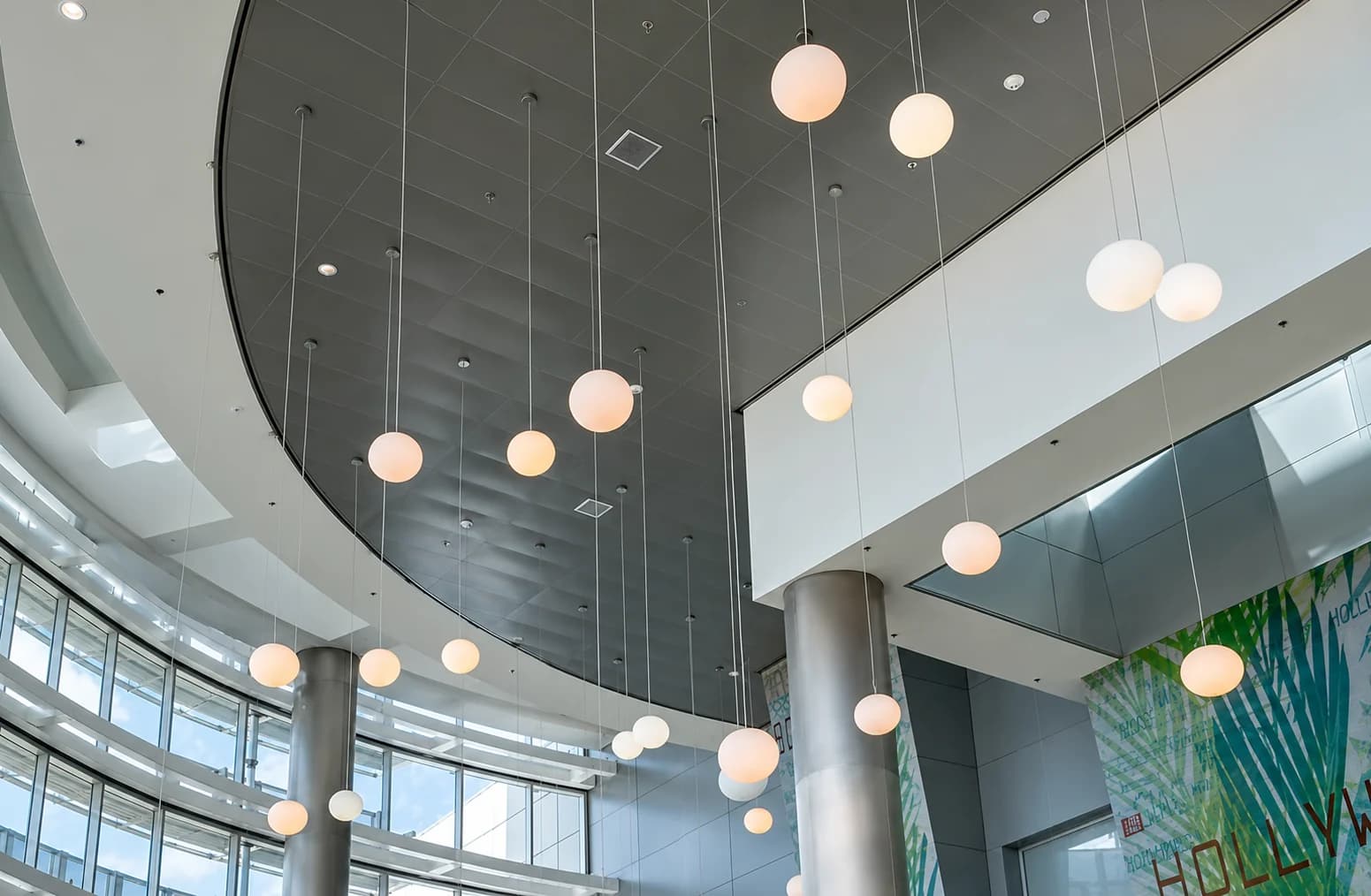
Somewhere to go whenit gets to be too much.
We design, build and run Neurosensory Welcome Rooms in the places where sensory load is highest — airports and transportation, government buildings, hotels and resorts, shopping centers, event venues, public spaces. Most vendors install a room and leave. iMED stays and runs the operation. Inclusion without building a clinic.
A place to go, not a place to wait
Low light, low noise, nothing asking for attention. Somewhere to bring sensory load down before it becomes a crisis.
Built for the site it sits in
A terminal, a lobby and a concourse each have their own noise, traffic and sightlines. The room is designed to that, not to a catalogue.
Staff who know what to do
The room comes with a written protocol and a trained team, because a door nobody knows how to open is not accessibility.
Inclusion without building a clinic
One room, run properly, reaches people that no amount of signage will. It is the smallest structure that changes who can come.
The kind of space a Neurosensory Welcome Room is built into.
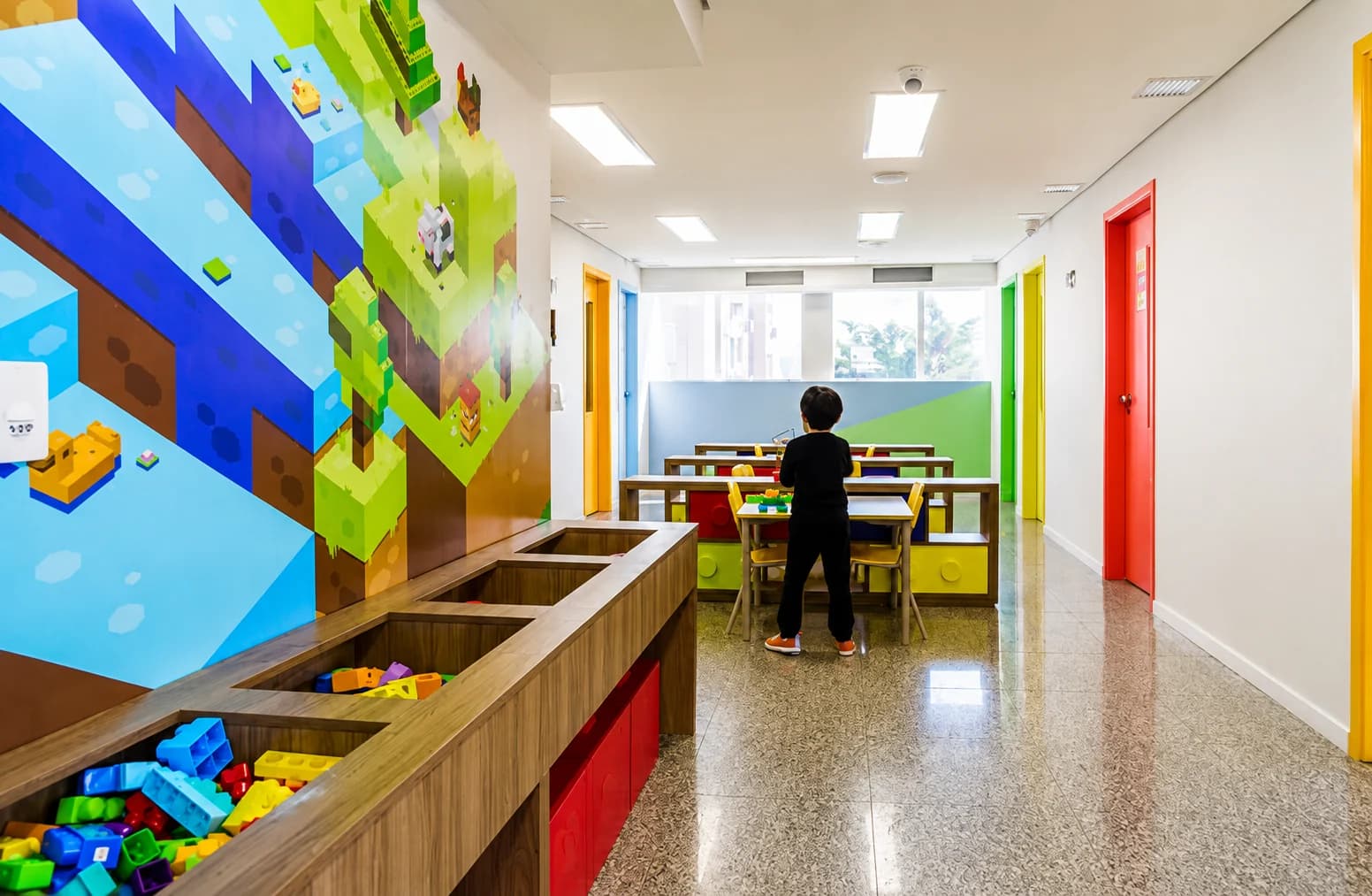
From diagnosisto development.
A diagnosis is a starting point, not a plan. iMED does not sell therapy sessions — it manages the whole journey, from the first screening to the follow-up over time. One care line, one set of goals, one named coordinator accountable for keeping the professionals, the family and the therapies aligned.
A diagnosis is not a plan
A report explains what is going on. It does not say what happens on Monday. The individualized care plan is where a diagnosis turns into goals, dates and the people responsible for each one.
One care line, one set of goals
Speech, occupational therapy, behavioral support and school can each be doing sensible work and still pull in different directions. The plan sets the goals they all work toward, and the goals are written down.
A named coordinator
One person whose job is the whole path rather than one appointment inside it. Families should not have to be their own case managers, so the service carries the work of keeping the plan coherent.
Communication recorded once, honored everywhere
How a person prefers to communicate is recorded at intake and carried into every contact after it: augmentative and alternative communication, visual supports, instructions written ahead of the visit.
Sensory conditions decided on purpose
Lighting, noise, waiting time and the route from the door to the room often decide whether an appointment can happen at all. They are chosen deliberately rather than inherited from the building.
Handovers are a defined step
Between professionals, between services, and across the ages where support for neurodivergent people most often thins out. A handover is scheduled and recorded, not left to whoever happens to remember.
Where the boundary sits. iMED structures, coordinates and manages care. Assessment, diagnosis and treatment belong to the licensed professionals delivering care, under the rules of their jurisdiction. Nothing here promises an outcome.
We built this pagethe way we builda room.
Sensory load is not a checkbox added at the end. It is a run of small decisions, and they show up on a website the same way they show up in a waiting room.
If anything here is still hard to use, tell us. That is worth knowing about how we build rooms, not only about how we build pages.
Nothing loops
No animation here repeats on its own. Movement marks a change — something arriving, something opening — and then it stops.
These are settings, not defaults
Movement, text size, color and spacing each have a switch below. Movement starts from your operating system setting. Every choice you make here is remembered.
Sensory settings
Reduce motionTurns off every animation here. We follow your system setting until you choose.Larger textRaises the size of the body text on every page.Calmer colorTakes the saturation out of the large color areas and the gradients.More spacingOpens up the space between lines and between paragraphs.Each setting is separate, and each one is remembered on this device.
No pure black, no pure white
Both raise glare. These pages sit on a warm off-white and a slate, with saturated color kept to marks small enough to look past — and the color switch takes the saturation down further.
One idea per line
Text is left-aligned, never justified. Lines stay short. We say the concrete thing rather than the impressive one.
Every page opens the same way
Same header, same order, same place for the next step. Predictable structure costs nothing and saves the reader real effort.
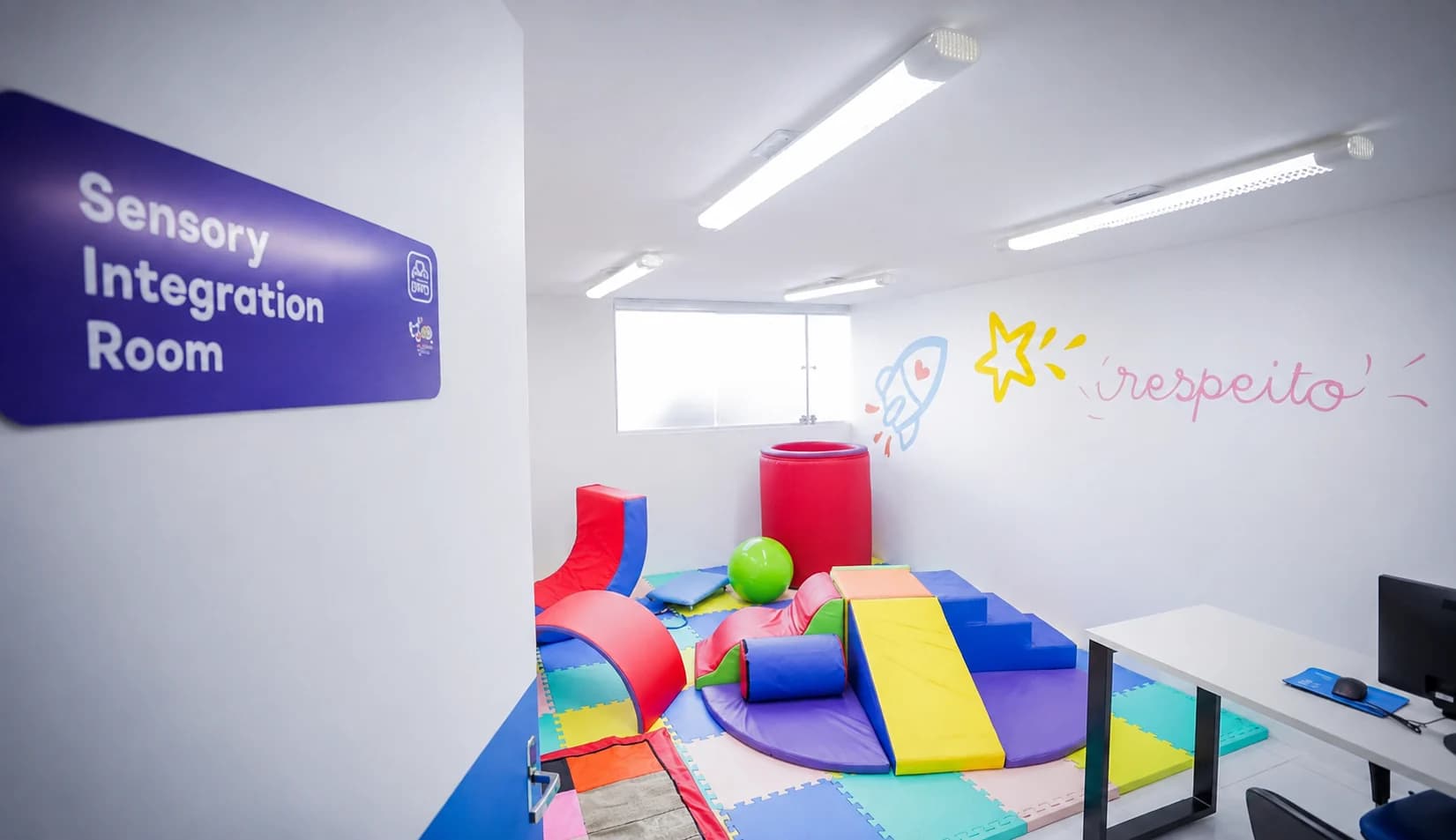
A sensory integration room.
Built to be run,not just opened.
iMED does not hand over a key and leave. The scope covers the standards, the protocol of use anyone on shift can follow, the staff trained before an incident rather than reviewed after one, and the review cycles that end in a change with a name attached to it.
Defined Ownership
Every part of a program has a named owner, a standard and a review date.
Written Protocols
Use of the room, handovers, and what a shift does when sensory overload starts.
Incident Review
Anything that goes wrong is written up, read by someone with authority, and answered.
Program Indicators
A small set of measures that describe how the program is actually running.
Team Readiness
Training refreshed and checked, so the program does not depend on who is on shift.
Closing the Loop
Review cycles that end in a change someone owns, with a date on it.

A program you canactually check.
A room and a trained team do not maintain themselves. iMED runs the operation and reports on it: not a wall of charts, but a short list of things that describe how the program is really working, each one owned by someone and reviewed on a schedule.
The questions worth answering
- Is the room doing its job?
- Use over time: when the room fills, how long people stay, and which hours of the day are hardest.
- Is the team ready before something happens?
- Who has been trained, when they were trained, and which shifts are still uncovered.
- Is the protocol being followed?
- Adherence seen by team and by shift, so variation shows up as a pattern instead of an anecdote.
- Where do incidents cluster?
- Incidents and near-misses grouped by where and when they happen, not by who reported them.
- Who owns this number?
- Every indicator has a name attached to it. An unowned metric is a report, not a control.
No indicators or results are published on this site. What a program measures, and what those measurements show, belongs to the organization that owns it.
What crossed toFlorida is themethod.
iMED NeuroHealthcare Florida is part of the iMED network. In Brazil, the network's teams built and ran multidisciplinary neurodevelopmental services; that work shaped this method.
That work was done in Brazil. What travels is the method: how a first contact is handled, how a room is set up, how a team hands a person between disciplines without losing the plan.
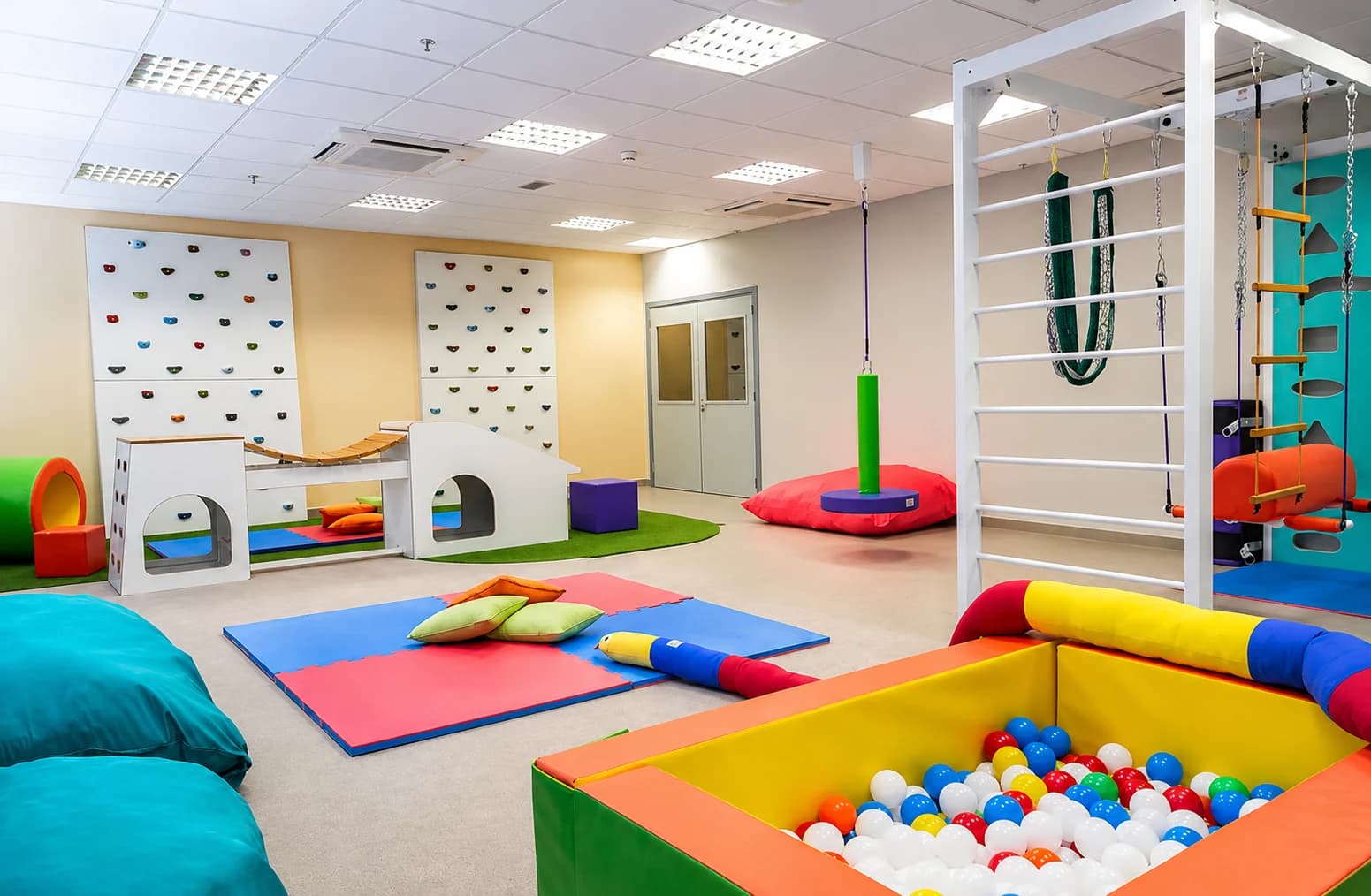
X What it adds up to
Places That Are Ready
Rooms designed, installed and run: somewhere to go when it gets to be too much.
Care That Holds Together
One plan, one set of goals, and a service accountable for keeping the parts aligned.
Trained Before the Moment
Training that happens before an incident rather than a review after one.
Inclusion Someone Actually Runs
Not a policy statement. A room, a protocol and a team, operated day to day.
Ready is somethingyou build.
Agencies, companies, health plans and families start the same way: tell us what you are working with, and we will tell you what a first step looks like.