

Global Neurodivergent Care
From diagnosis to development.One coordinated journey.
A diagnosis is a starting point, not a plan. iMED NeuroHealthcare Florida does not sell therapy sessions. It manages the journey: screening and assessment, diagnosis, an individualized care plan, therapy coordination, home and clinical support, and outcomes monitoring.
6stages, screening to follow-up
One care line.One team accountable.
What usually follows a diagnosis is a list of referrals, a separate wait for each one, and a family left to sequence them. One care line replaces that. The professionals, the family and the therapies work toward the same goals, and responsibility for keeping the plan coherent sits with the service rather than the family.
That has operational consequences. It changes how sessions are scheduled, how records are kept, how handovers happen and how progress is reviewed. Designing and running those mechanics is the work.
Care organizedaround autistic andneurodivergent people.
The gap that costs families the most is the one between diagnosis and treatment: the months where there is a document, a list of recommendations, and nobody whose job it is to put them in order.
Most of what decides whether a care line holds together is settled before anyone sits down with a patient: how the first contact is arranged, how communication preferences are recorded and honored, how sessions are sequenced across a week, how information moves between the people involved, and what happens when someone leaves the team.
That is the layer we work on. iMED does not sell therapy sessions. It coordinates the journey around them, so the clinical work can run consistently and the same person does not have to start over every time.
What the care line is made of
Screening & Assessment
The first look at what is going on, arranged so the person arriving knows who they will meet, what will happen and how long it takes.
Diagnosis
Assessment and diagnosis are the work of licensed professionals. iMED makes sure the result reaches the family in plain language and does not stall there.
Individualized Care Plan
One plan written for this person: what the goals are, who is responsible for each one, and what the next few months are meant to look like.
Therapy Coordination
iMED does not sell therapy sessions. It keeps the therapies working toward the same goals, in a sequence that fits the week a family actually has.
Home & Clinical Support
What the plan asks for at home is written down, taught and revisited, rather than handed over as advice at the end of an appointment.
Outcomes Monitoring
Progress followed over time against the plan's own goals: autonomy, communication, functional skills, social participation. Reviewed on a cadence, not reconstructed from memory.
A note on scope. iMED coordinates and manages the care journey. Assessment, diagnosis and treatment belong to the licensed professionals delivering care, under the rules of their jurisdiction. Nothing on this page is a diagnosis, a treatment recommendation, or a promised outcome.
You should not have to be the case manager.
One number to call
A named coordinator, instead of a stack of separate schedules for you to reconcile yourself.
One plan, not a folder
Goals written once, in language that works in a school meeting and not only inside a clinical record.
A first visit with a known shape
Who you will meet, how long it takes and what happens next, before you arrive.
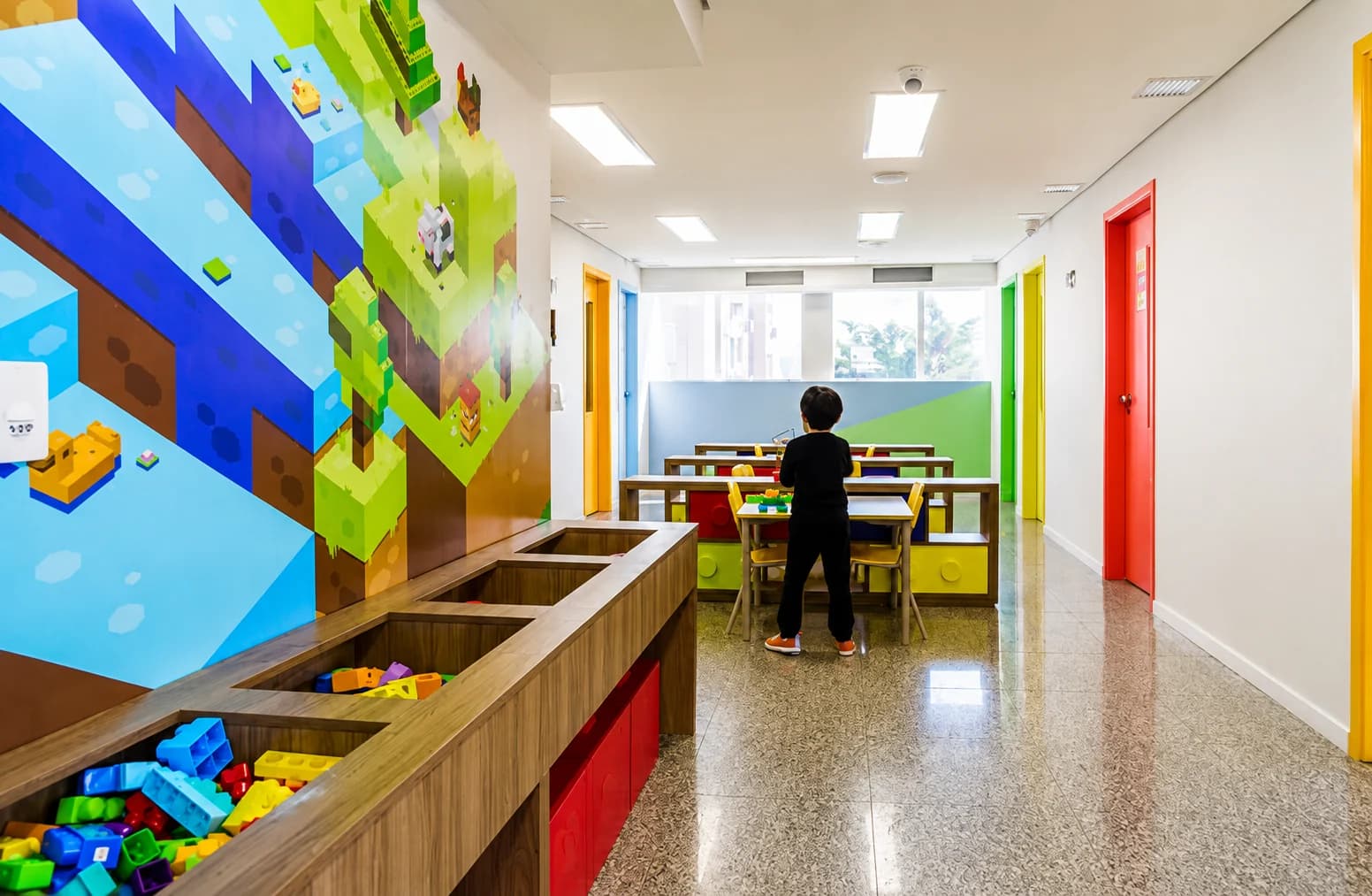
A pediatric care space.
From screening tooutcomes monitoring.
Screening & Assessment
The first structured look: what the person needs, which disciplines should be involved, and what the visit will ask of them.
Diagnosis
Carried out by the licensed professionals it belongs to, with findings written so a family can use them outside the clinical record.
Individualized Care Plan
One plan of care the whole team works from, with goals for autonomy, communication, functional skills and social participation.
Therapy Coordination
Which therapies, in what order, on whose schedule. Sessions and handovers sequenced so the plan survives contact with the calendar.
Home & Clinical Support
Support in clinic and at home, so what happens in a session has somewhere to continue during the rest of the week.
Outcomes Monitoring
Progress followed over time against the goals in the plan, on a schedule, rather than reconstructed when someone asks for it.
What keeps a planfrom drifting.
Naming the stages is the easy part. Below is the layer underneath them, and it is what decides whether the plan written in March is still the plan in September.
A named coordinator
One person accountable for the plan, so the family is not the one holding it together between appointments.
One shared record
Preferences, triggers, supports and history written down once and available to everyone the person will see.
One set of goals
Professionals, family and therapies working toward the same goals, in words every one of them can use.
An aligned schedule
Sessions, handovers and reviews sequenced against each other rather than booked in isolation.
Scheduled review
A date already set for updating the plan, so it is revisited on purpose rather than after something goes wrong.
Someone has to holdthe whole plan.
It should not be the family. Whether you are a family, a provider or a health plan, tell us what you are working with.